Parker Frank · 21 September 2026
Revived Local Festivals in Novafeld Drive Unexpected Tech Industry Collaborations
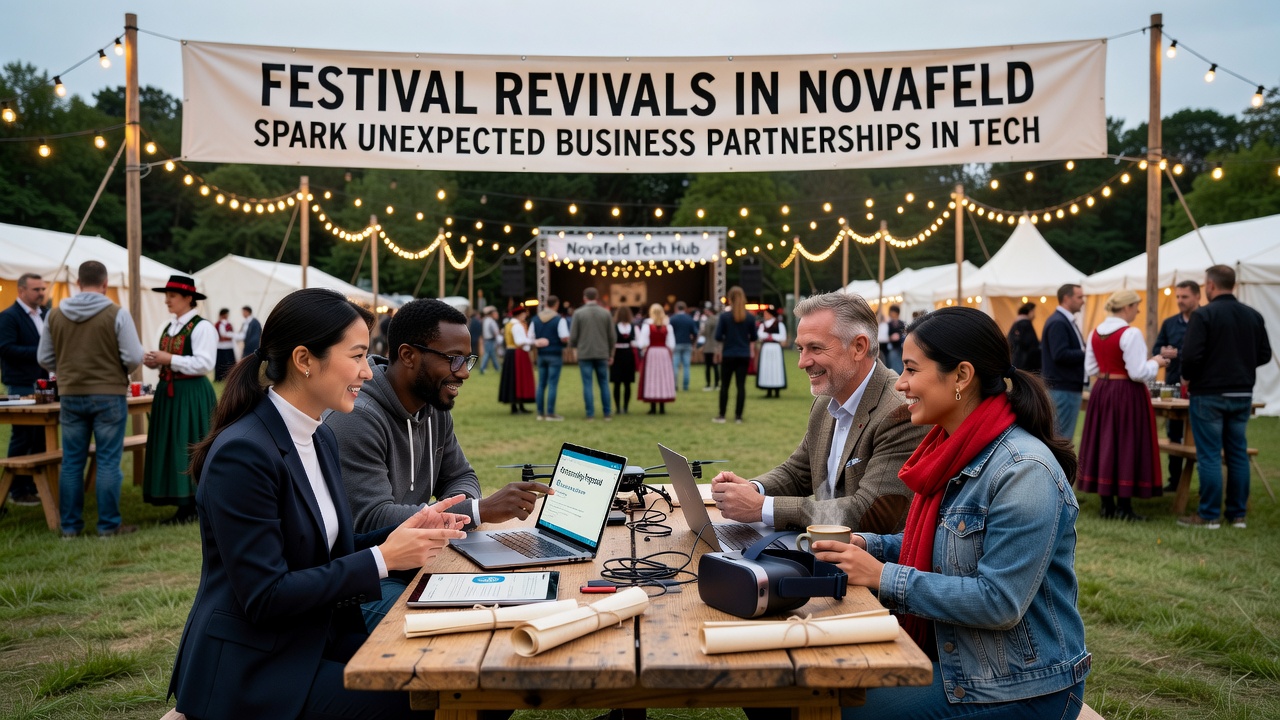
Traditional festivals in Novafeld have experienced a notable revival over recent years, and this resurgence has coincided with the formation of several technology partnerships that extend beyond the events themselves, as local organizers integrate digital tools for logistics while attracting startups seeking community engagement opportunities. Data from regional economic reports indicate that attendance at these gatherings rose by 35 percent between 2023 and 2025, creating environments where software developers and hardware manufacturers encountered agricultural cooperatives and tourism boards in ways that previously occurred less frequently.
Background on Festival Traditions and Their Modern Adaptations
Novafeld's annual events trace their origins to harvest celebrations and craft fairs that date back decades, yet recent iterations incorporate live data analytics for crowd management and virtual reality exhibits that highlight local heritage sites, which has drawn interest from companies specializing in augmented reality applications. Researchers at European institutions have documented similar patterns in other mid-sized towns where cultural programming serves as an entry point for technology firms to test prototypes in real-world settings, and observers note that these interactions often evolve into formal agreements once participants identify shared goals such as sustainable supply chain solutions.
One case involved a drone mapping startup that debuted navigation software during a 2024 music and arts weekend, leading to a joint project with regional planners focused on infrastructure monitoring, while another partnership emerged when a cybersecurity provider offered workshops on data protection for small businesses operating festival stalls. These developments align with broader trends tracked by the OECD in its innovation reports, which highlight how community events function as low-stakes venues for cross-sector networking.
Partnerships Formed Through Recent Events
During the 2025 edition of the Novafeld Heritage Days, representatives from a cloud services company based in Berlin connected with local energy cooperatives experimenting with smart grid technology, resulting in a pilot program scheduled to launch in early 2026 that uses festival-generated datasets to optimize renewable energy distribution. Attendees at the same event included engineers from an Australian research consortium studying IoT applications in rural areas, and their presence contributed to discussions that produced a memorandum of understanding for collaborative sensor deployment projects.
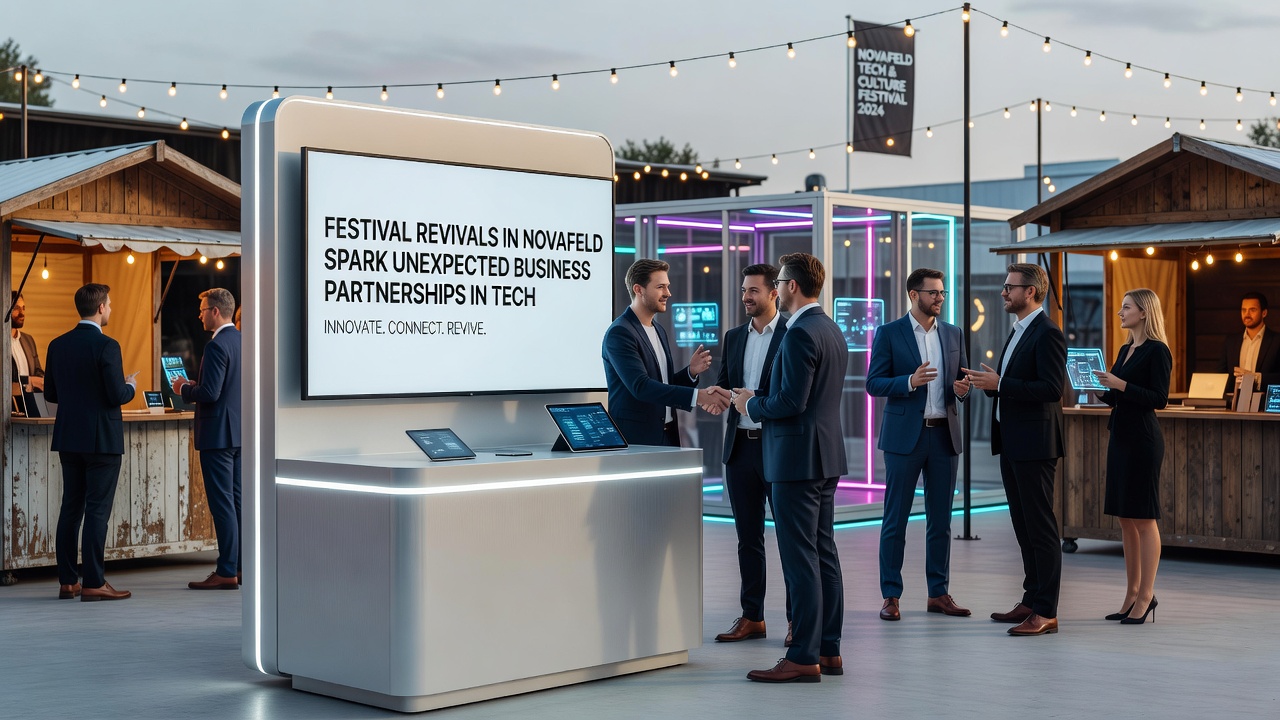
Additional collaborations have centered on mobile applications designed to promote local vendors, with one platform now integrating payment systems developed through partnerships initiated at food and craft stalls, according to figures released by the German Digital Association. These arrangements demonstrate how festival environments facilitate introductions that move quickly into prototype testing phases because participants share immediate access to feedback from diverse user groups.
Economic and Technological Outcomes Observed So Far
Regional statistics compiled through 2025 show that businesses participating in festival-related tech initiatives reported average revenue increases of 18 percent within six months of forming alliances, a pattern consistent with findings from the Canadian Institute for Advanced Research on community-driven innovation clusters. Planners have scheduled expanded programming for September 2026 that will include dedicated zones for live demonstrations of artificial intelligence tools tailored to small-scale manufacturing, which builds on the momentum established in prior years.
Industry analysts point out that such outcomes depend on sustained follow-up beyond the festival dates, and several working groups have formed to maintain momentum through quarterly virtual meetings. Data from these groups reveal that at least four formal contracts have been signed since the 2024 season, covering areas from precision agriculture software to digital marketing platforms for tourism operators.
Looking Ahead to Expanded Initiatives
Organizers have outlined plans to incorporate more international participants in upcoming cycles, drawing on models used by events in comparable European towns where similar tech integrations produced measurable gains in startup retention rates. Government agencies in the EU have begun tracking these developments as part of broader digital transformation metrics, which may influence future funding allocations for cultural programming that doubles as innovation catalysts.
Conclusion
The intersection of revived festivals and technology partnerships in Novafeld illustrates how longstanding community traditions can serve as platforms for contemporary business development when organizers intentionally blend cultural programming with digital experimentation. Continued documentation of these interactions through academic and industry channels will clarify the long-term effects on local economies and technology adoption patterns across similar regions.