Unearthing Novafeld: Archival Finds Illuminate the Town's Formative Years and Their Echoes Today
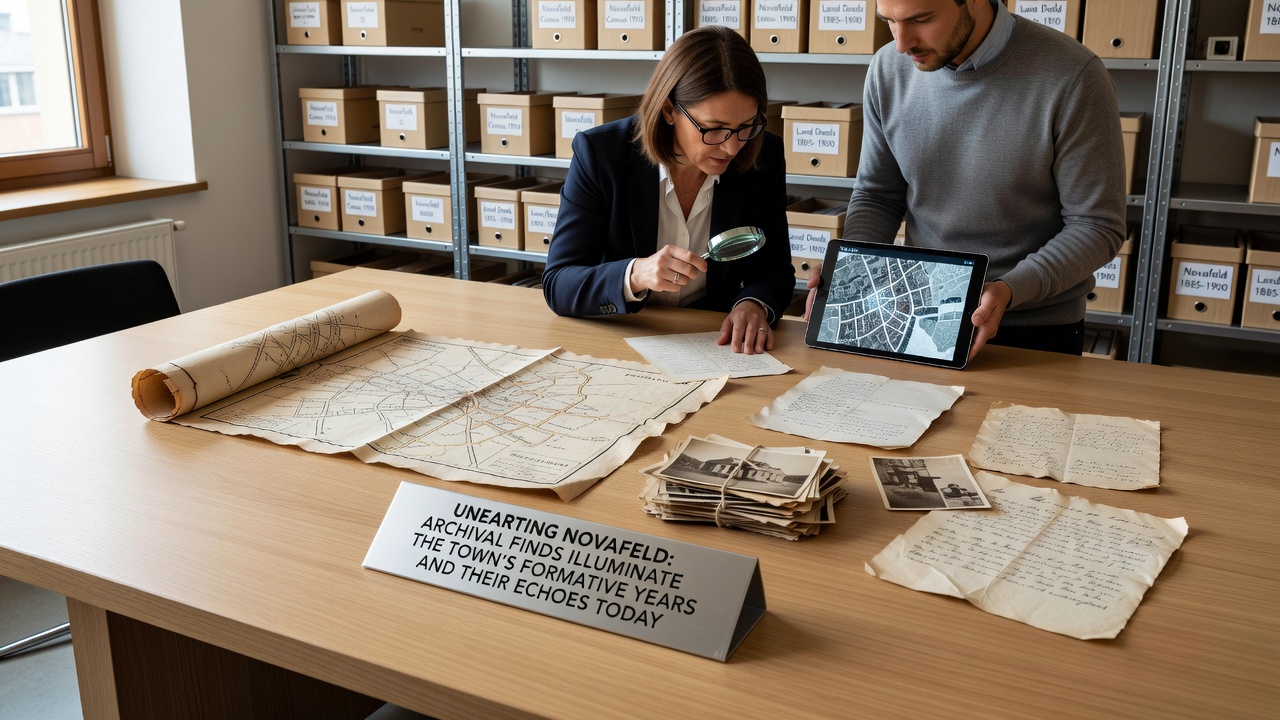
Recent excavations in local repositories have brought to light bundles of ledgers, correspondence, and land surveys dating back to the late 1700s when settlers first established permanent structures along the river bend that now defines the town's core, and these materials reveal how early agricultural practices shaped zoning patterns still visible in the layout of central streets. Researchers working through the collections note that the documents include detailed accounts of crop rotations and water rights agreements from 1789 onward, while cross-references with church registries show population growth tied directly to milling operations that operated continuously until the 1920s. The finds also contain maps annotated by hand that mark the original placement of communal wells and market squares, features whose footprints align with present-day public spaces even after multiple rounds of modernization.
Settlement Patterns and Early Infrastructure
Archival letters describe the challenges of clearing forested land while negotiating with neighboring estates for access routes, and these negotiations produced the grid of paths that later became the basis for the town's road network. Data from property deeds indicate that the first public buildings clustered around a central green, a configuration that persists in the placement of the town hall and adjacent squares today. One ledger entry from 1804 records the allocation of timber resources for bridge construction across the local stream, an effort whose engineering principles appear in later 19th-century upgrades documented in municipal minutes. Experts examining these records point out that soil surveys from the same period classify certain parcels as prime for grain production, classifications that match the agricultural zones still protected under current land-use ordinances.
Connections to Present-Day Town Life
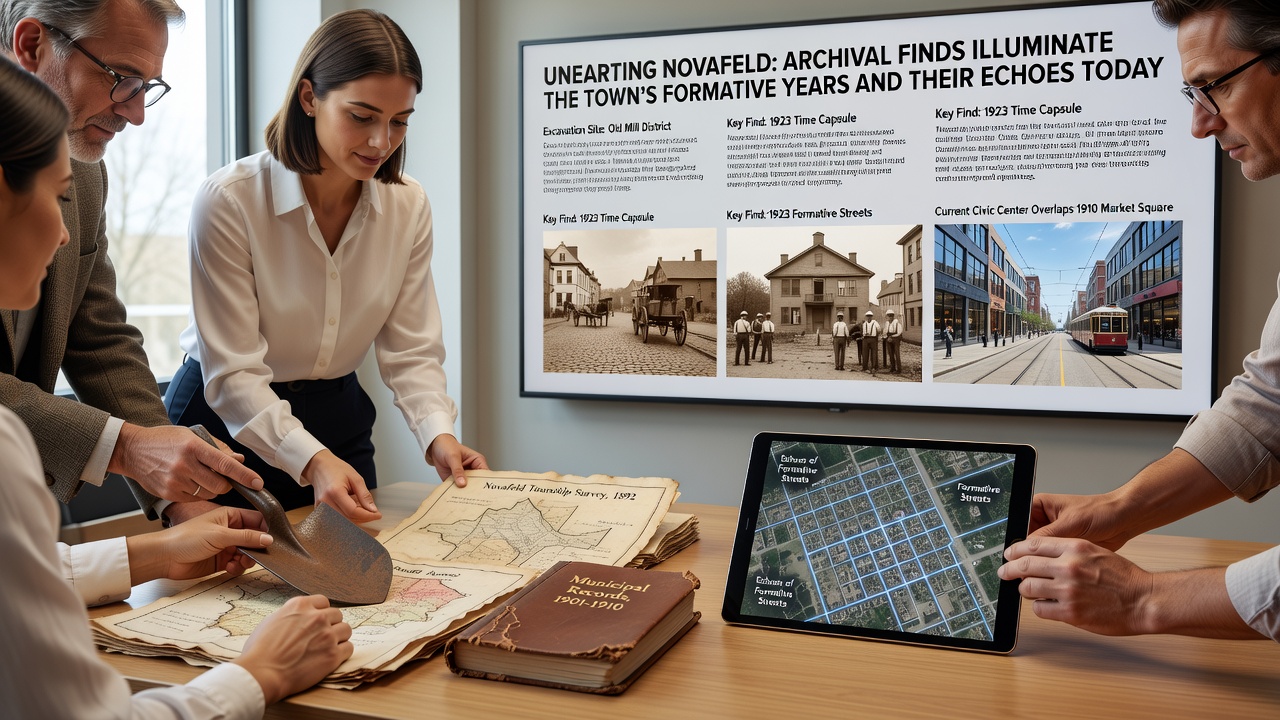
The same documents shed light on social structures that carried forward, including guild regulations for blacksmiths and weavers whose descendants maintained family businesses into the mid-20th century. Census fragments list household compositions that illustrate patterns of extended family living arrangements, arrangements reflected in the architectural style of several surviving half-timbered homes now under heritage protection. Town planners reviewing the material observe that drainage systems sketched in 1817 maps correspond closely with modern stormwater infrastructure, a continuity that reduces the need for entirely new engineering solutions during recent upgrades. In September 2026 the municipal archive plans to open a public exhibition displaying selected items alongside interactive maps that overlay historical boundaries on contemporary satellite imagery, allowing visitors to trace how early decisions continue to guide development.
Broader Regional Context
Comparative studies with neighboring settlements show that Novafeld's archival survival rate exceeds averages reported by the
German Federal Archives, largely because local families preserved private collections rather than discarding them during wartime disruptions. Economic tallies from 1830s tax rolls list export volumes of milled flour that align with regional trade statistics preserved at the
U.S. National Archives for transatlantic shipping records, illustrating how the town's output reached international markets. These cross-border references help clarify why certain surnames appear repeatedly in both local deeds and overseas passenger lists from the same decade.
Conclusion
The accumulating evidence from these archival sources demonstrates measurable links between 18th- and 19th-century decisions and 21st-century spatial organization, while the scheduled 2026 exhibition will make the primary materials available for wider examination. Ongoing cataloging continues to identify additional bundles whose contents may further detail the mechanisms through which early settlement choices still shape daily life in Novafeld.